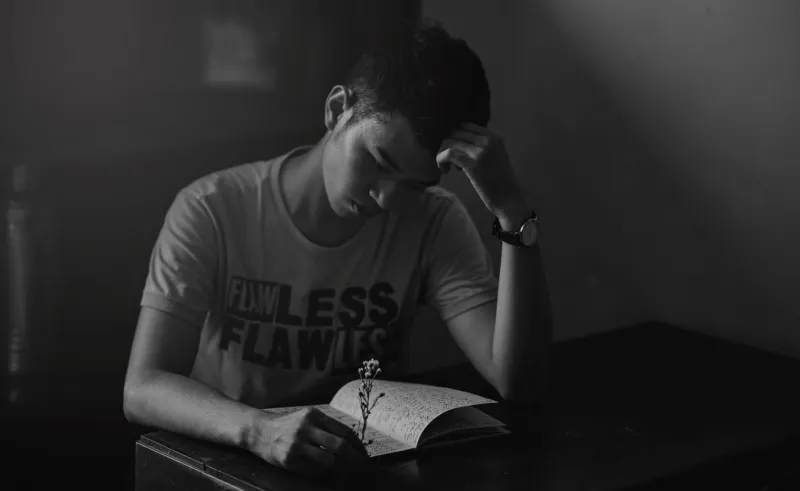
Why Changing What You Love Feels Like a Crime Against Your Old Self
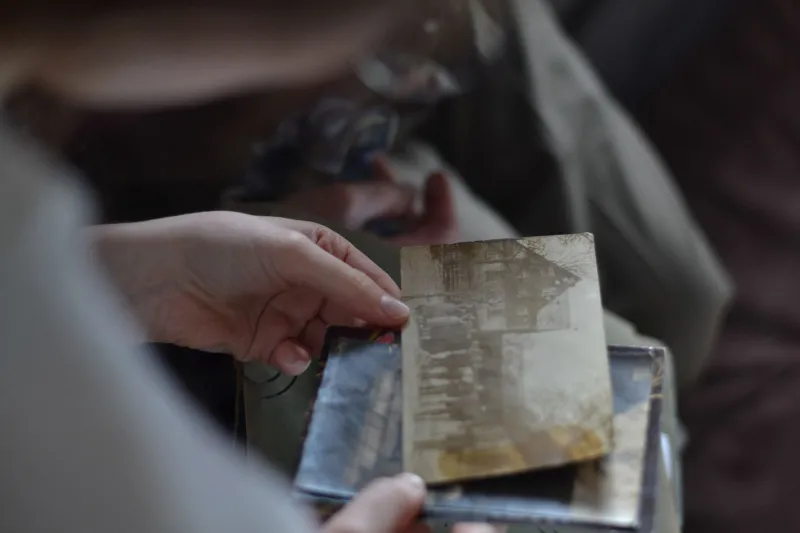
Somewhere between your mid-twenties and right now, something shifted. Maybe it was the music you used to swear by — the stuff that felt like a personality, not just a playlist. Maybe it was the career path you were absolutely certain about, the aesthetic you curated with obsessive precision, or the social scene you thought you'd be part of forever. And then, quietly, without any dramatic announcement, you stopped wanting those things.
You'd think that would feel freeing. It doesn't, though — at least not at first. What it actually feels like is guilt.
The Strange Weight of Outgrowing Yourself
Here's something nobody really warns you about: changing your preferences feels personal in a way that's hard to explain to people who haven't been through it. It's not like switching shampoo brands. When your tastes evolve, they take pieces of your identity with them, and your brain doesn't always let go gracefully.
Psychologists have a term for this — self-continuity — which is basically the sense that who you are today connects meaningfully to who you were yesterday. When your preferences shift dramatically, that thread can feel snapped. And humans, being the narrative creatures we are, don't love a story with a plot hole.
So we fill the gap with guilt. We tell ourselves that abandoning the old interests means we were somehow performing them before, that they weren't real, that we were a fraud. Or worse — that the people who still love those things will feel betrayed by our exit.
It's Not Just About Taste — It's About Identity
Let's say you used to be really into a certain subculture. Maybe it was the indie music scene, a specific political ideology you were vocal about, or even just a very particular aesthetic — think cottagecore, or the hyper-minimalist phase a lot of people went through in the mid-2010s. Those weren't just hobbies or design choices. They were how you signaled to the world who you were.
When you walk away from something like that, it's not a quiet departure. Because those interests weren't just things you did — they were things you were. And now you have to answer the uncomfortable question: if you're not that anymore, what are you?
The answer, of course, is that you're just a person who changed. Which is the most human thing in the world. But try telling that to the part of your brain that still holds nostalgia like a grudge.
The Apology Loop Nobody Asked You to Start
One of the stranger side effects of evolving preferences is the compulsive need to explain yourself. You mention you're not really into something you used to love, and suddenly you're issuing a full defense, complete with disclaimers and qualifiers. "I mean, I still respect it, I just—" or "It's not like I think it's bad, I just don't—"
Who asked? Nobody, usually. But the apology comes anyway because somewhere along the way, we absorbed the idea that changing your mind about what you like is a character flaw. That consistency of taste is a virtue. That if you really loved something, you'd love it forever.
That's just not how people work. Your tastes are supposed to evolve. Your career ambitions are allowed to shift. The version of your future you drew up at 22 doesn't have to be binding.
What You Owe Your Former Self (Hint: Not That Much)
Here's a reframe worth sitting with: the person you used to be made the best choices they could with what they had. The music that defined you at 19 did exactly what it needed to do — it gave you a home when you needed one. The career dream you had at 24 got you out of bed and moving forward. The aesthetic, the friend group, the whole vibe — it served a purpose.
You don't owe that version of yourself permanent loyalty. What you owe them is acknowledgment. Gratitude, even. That chapter mattered. And it's okay that it's a chapter, not the whole book.
There's also something worth naming here: the people who genuinely loved you during those phases? The real ones aren't keeping score. They're not waiting to catch you contradicting your old self. They're just watching you become someone, which is honestly kind of beautiful if you let it be.
Growth Isn't a Betrayal — It's the Point
We live in a culture that loves authenticity, but has a complicated relationship with change. We celebrate people who "stay true to themselves" while also celebrating personal growth journeys. Those two things are in direct tension, and we don't talk about that enough.
The truth is, staying exactly the same isn't authenticity — it's stagnation dressed up in nostalgic clothing. Real authenticity means being honest about where you actually are right now, not performing loyalty to a version of yourself you've already moved past.
So if you've been quietly apologizing for not being who you used to be — for the music you don't listen to anymore, the goals you've quietly shelved, the scene you've drifted away from — maybe it's time to stop. Not because those things didn't matter, but because you matter too. The current version of you, with your current tastes and your current ambitions and your current sense of what a good life looks like.
You're allowed to be a different person than you were. That was always the whole idea.