So You're Not Into That Anymore — And Somehow That Feels Like a Betrayal
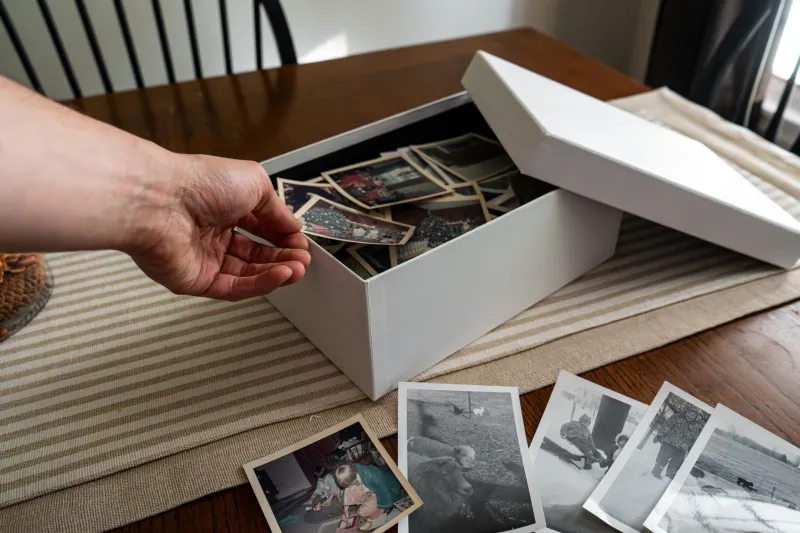
Somewhere in a box in your parents' garage — or maybe shoved under your bed — there's probably a relic from a version of you that no longer exists. Maybe it's a sketchbook filled with anime fan art. A stack of Magic: The Gathering cards. A well-worn baseball glove. A journal from your theater kid era. Whatever it is, it's sitting there quietly, and every time you think about it, there's this low-grade guilt that creeps in.
Not because you did anything wrong. Just because you stopped.
Outgrowing a hobby sounds like it should be a neutral, unremarkable thing. People change. Interests shift. That's just life. But for a lot of us, the hobbies we had in our teens and early twenties weren't just ways to pass the time — they were identity. They were the thing you talked about at lunch, the community you belonged to, the shorthand for who you were. And when you drift away from them, it can feel less like evolution and more like betrayal.
Why We Tie So Much of Ourselves to What We're Into
There's a reason your hobbies hit different when you're young. During adolescence and early adulthood, you're actively building a sense of self — figuring out who you are separate from your family, your hometown, your circumstances. Your interests become a huge part of that construction project.
The kid who was obsessed with skateboarding wasn't just killing time at the park. They were finding their people, developing a personal aesthetic, learning how to push through failure. The teenager who spent every weekend at anime conventions wasn't just nerding out — they were experiencing real belonging, maybe for the first time. These things matter. They shape you in ways that go way deeper than the activity itself.
So when you eventually stop — when you realize you haven't touched your guitar in two years, or that you genuinely have no interest in keeping up with a fandom you used to live inside — it can feel like you're erasing a chapter of yourself. Like you're telling your younger self: that didn't count.
But that's not what's actually happening.
The Guilt Is Real, But It's Telling You the Wrong Story
Here's the thing about guilt: it's useful when it's pointing at something you actually did wrong. But a lot of the time, especially around identity stuff, it's just your brain pattern-matching to a feeling without checking the facts first.
Moving on from a hobby isn't a moral failure. It's not abandonment. It's not ingratitude toward the version of you who loved that thing. It's just what happens when a person grows. Your interests changing isn't evidence that the old ones were fake — it's evidence that you were real enough to keep evolving.
There's also a social layer to this guilt that doesn't get talked about enough. If your hobby was tied to a community — a friend group, an online space, a team — stepping away can feel like you're leaving people behind, not just an activity. That's a different kind of grief, and it's worth naming separately. Sometimes you outgrow the hobby. Sometimes you outgrow the community. Sometimes it's both at once. None of those scenarios make you a bad person.
The Nostalgia Trap
Social media has made this whole thing weirder, honestly. You'll be scrolling and suddenly see someone your age going all-in on the exact thing you used to love — fully committed, clearly thriving, making content about it — and for a second you feel this weird mix of warmth and shame. Like, should I still be doing that? Did I give up on something I shouldn't have?
This is the nostalgia trap, and it's sneaky. You're not actually missing the hobby. You're missing the feeling of being that absorbed in something. The focus. The community. The sense of purpose that comes with having a thing you're into. That's worth paying attention to — but the answer isn't necessarily to go back to the old thing. It might just mean you're ready for a new one.
Not everything from your past needs to be reclaimed. Some of it is just meant to be remembered fondly.
What "Losing Yourself" Actually Looks Like
People throw around the phrase "don't lose yourself" like it means you should stay exactly the same forever. But that's not what it means. Losing yourself looks like abandoning your values, your sense of humor, your capacity for curiosity — not swapping out one hobby for another.
If you used to draw constantly and now you spend your weekends hiking, you haven't lost yourself. You've just found a different way to be in your body, or in the world. If you used to be obsessed with a particular video game franchise and now you'd rather read or cook or go to concerts — cool. That's allowed. The thread that connects all of those things is still you.
Growing up isn't about curating a consistent aesthetic across your whole life. It's about staying honest with yourself about what actually lights you up right now — not what used to, not what you think should.
Giving Yourself Permission to Just... Move On
If you've been carrying around guilt about something you used to love and no longer do, here's the permission slip you didn't know you needed: you can let it go.
You don't have to perform loyalty to a past version of yourself. You don't have to force yourself back into something because it once mattered to you. You don't have to justify your current interests against your old ones like you're defending a lifestyle change to someone who didn't ask.
And honestly? The hobbies that shaped you don't disappear just because you moved on from them. They're baked into who you are — in the way you think, the things you find funny, the references you make without realizing it, the skills you built without knowing you'd keep them. You carry all of it forward whether you're actively doing it or not.
The kid who filled sketchbooks is still in the adult who notices good design. The teenager who ran cross-country is still in the person who finds long walks genuinely calming. The college student who was deep in a fandom is still in whoever you are now — just expressed differently.
You didn't betray your younger self. You became the person they were trying to figure out how to be.
That's not loss. That's just the whole point.